
Fatigue & IBS – avoid gluten and onions
Eat mild foods to get better from stomach problems, IBS, fatigue
Stomach health – eat postbiotic and avoid gluten
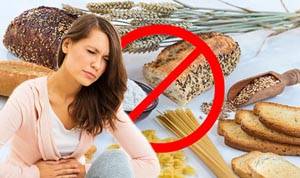
Stomach problems (IBS) and gluten allergy are increasing exponentially. If people with an imbalanced gut flora eat genetically modified wheat, the stomach and intestines can react with fatigue, bloated stomach and gas and headaches. The modern wheat we eat today is genetically manipulated to tolerate environmental toxins and to make gluten rise more, filling the bread with air. Instead of the original 14 chromosomes, today we have added things so that there are 32 chromosomes.
If the body reacts to wheat and gluten, you can try to avoid it for a few days to see if you feel better from gluten-free food.

Celiac allergy means that you cannot tolerate the protein gluten found in wheat, rye and barley. Your small intestine becomes inflamed and cannot absorb nutrients as it should. Other people are only sensitive to gluten and feel a little better if gluten is avoided.
Balloon stomach largely depends on what we eat because foods like onions and legumes, as well as some carbohydrates ferment in the intestines. The gases produced then cause the intestines to expand and if the intestinal motor skills and intestinal flora do not work, the gases can get stuck and then stomach problems can occur.

Picture shows a whole intestinal wall and damaged on the right by E433.
The protective mucus layer in the gut is broken down by emulsifiers so that bacteria get through and cause inflammation that can lead to depression, for example.
Emulsifiers (E433, E466) can cause inflammation in the body and are unfortunately sometimes found in food products.
(blue=intestinal wall, green=mucous membrane, red=bacteria).

Professor Stig Bengmark and Hans Israelsen’s research shows how important it is that the stomach feels good and that we have a good intestinal flora.
But our Western refined food, the wrong fats, genetically modified gluten and stress break down the gut flora and cause hidden inflammation in the body and a lack of vitamins B and K2.
Researcher Israelsens was involved in developing Postbiotic ReFerm, which is fermented oats. Studies show that ReFerm heals the intestinal walls and gut flora and works more long-term because probiotics and prebiotics only had an effect when people ate it.
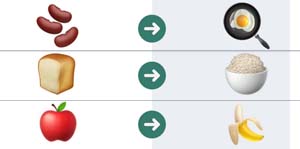
The FODMAP dietary treatment is a result of research on balloon stomach, IBS and stomach ache. It’s not about living like a monk, but replacing hard-to-starve foods that cause gas with diets that are kind to the stomach and intestines.
By eating Low FODMAP for a few weeks, the stomach can get into balance and then take in one diet at a time from high FODMAPs to see if the stomach feels good from it.
FODMAP diet can be combined with fermented oats ReFerm.
You can contact a doctor or dietician about a FODMAP diet.

Low FODMAP list – eat what you want.
-Barley and flakes: Oatmeal, oat flakes, quinoa, buckwheat flakes, spelt flakes, millet flakes, sunflower seeds
-Flour: Spelt flour, buckwheat flour, quinoa flour, jytte flour, amaranth flour, millet flour, corn flour, potato flour
-Gluten-free products: anything that does not contain wheat
-Dairy products: Lactose-free milk, lactose-free yogurt, lactose-free cream, soy drink, rice milk, oat milk, coconut milk, eggs
-Cheese: Hard cheese, lactose-free soft cheese
Ice cream: Soy ice cream, lactose-free ice cream, oat ice cream
-Fats: All oils, coconut oil, butter, margarine
-Pasta, noodles and rice: Rice, pasta and noodles on spelt, corn, rice or buckwheat
-Meat and fish: All meat, poultry, and fish
-Fruits: Oranges, clementines, ripe bananas, kiwi, galia melon, honeydew melon, cantaloupe melon, grapes, lemon, passion fruit, pineapple, strawberries, blueberries, raspberries
-Vegetables: Tomato, cucumber, all kinds of lettuce, spinach, celery, sprouts, carrots, parsnips, parsley root, squash, yellow squash, ginger, eggplant, green beans, herbs
-Nuts: Peanuts, pecans, macadamia nuts, cashews, Brazil nuts Sweets: Gummies, licorice, candies, non-dairy chocolate, pure cocoa, sugar, and sweeteners such as Hermesetas and Stevia
-Drinks: Soft drinks, light juice drinks, coffee, tea
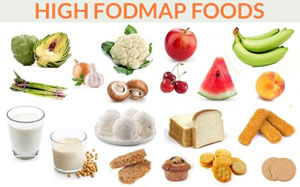
High FODMAP – foods that you avoid for a while
-Barley and flakes: Muesli, bran, barley and rye flakes, wheat kernels, barley, bulgur, couscous
-Flour: Rye flour, wheat flour, barley flour, durum, gluten-free flour
-Gluten-containing products: All gluten-free products that contain wheat
-Dairy products: Milk, cocoa milk, yogurt, cream, crème fraiche, quark, skyr
-Cheese: Soft cheese, semi-hard cheese, cottage cheese, cream cheese, whey cheese
-Ice cream: Cream ice cream, sorbet
-Cousin: None
-Pasta: noodles and rice: Pasta and noodles made with wheat or durum
-Meat: Liver pâté
-Fruit: Apple, mango, pear, watermelon, green bananas, avocado, blackcurrant, all stone fruits (e.g. cherries, plums, nectarines), dried fruits such as raisins, canned fruit
-Vegetables: All kinds of cabbage, broccoli, all kinds of onions, green onions, garlic, leeks, asparagus, artichokes, Jerusalem artichokes, eggplant, mushrooms and other mushrooms, sugar peas, beetroot, fennel, peas, corn, all beans and lentils, chickpeas
-Nuts: Pistachio
-Sweets: Sugar-free candy, chewing gum, throat lozenges, chocolate with milk, birch sugar (xylitol), sukrin (erythritol), mannitol, isomalt, glycol, glycerol, lactitol, rihitol
-Drinks: Coke, juice with fruit and juice


 EN
EN  SV
SV  ES
ES  RU
RU  KO
KO